Pharmacy Assistant
Overview
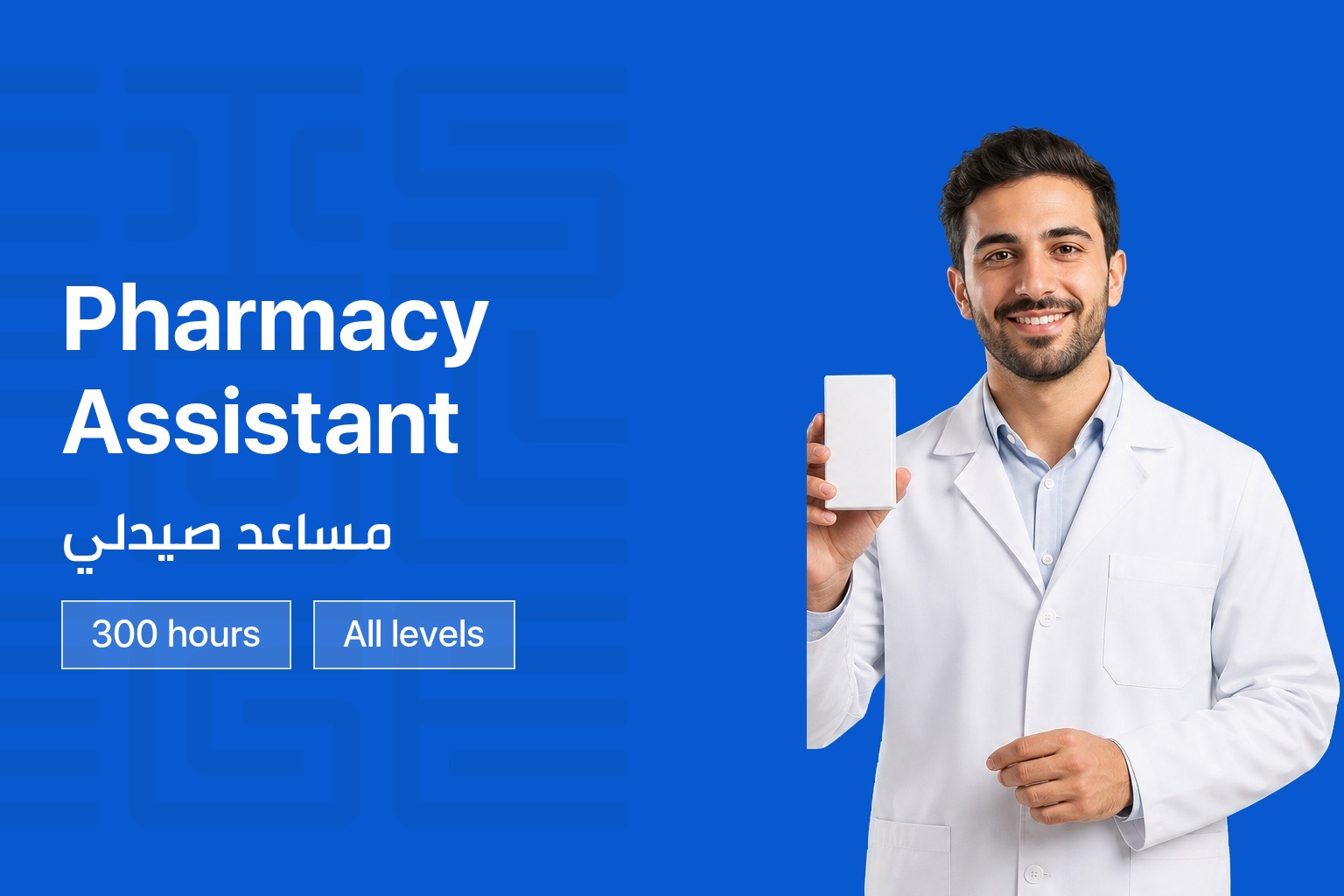
Pharmacy Assistant is CIS College’s hands on training program for anyone who wants to work alongside a licensed pharmacist. The program runs across 9 months and combines 300 hours of classroom instruction with 360 hours of supervised practice inside a real pharmacy setting, so you graduate having actually handled the daily work rather than just heard about it.
You learn the structure of a pharmacy, the different types of medication and how they are delivered to the body, the tools used in patient care, and the software pharmacies use to manage sales, stock and orders. By the end of the program you can support a pharmacist with confidence in a retail or clinical pharmacy.
What You Will Learn
- Understand the role of the pharmacist and the pharmacist assistant, and the responsibilities that come with the job
- Recognize the main departments of a pharmacy, from over the counter medication to prescription and controlled drugs
- Identify the different dosage forms of medication, such as tablets, capsules, creams and injections, and how each one reaches the body
- Read and process a prescription, retrieve the right medication, and explain it clearly to the patient
- Track stock, check expiry dates, and receive and organize deliveries from suppliers
- Measure basic vital signs such as blood pressure, temperature and glucose, and understand what the results mean
- Use pharmacy management software to handle sales, invoicing, purchasing and inventory
- Apply basic first aid inside the pharmacy setting
Course Curriculum
| Module | What you cover |
|---|---|
| Course Orientation and Roles | What a pharmacy is, the role and duties of the pharmacist, and the role, duties and responsibilities of the pharmacist assistant, along with basic medical terminology and abbreviations |
| Pharmacy Departments | The main sections of a pharmacy: over the counter, prescription, chronic, acute and narcotic medication |
| Dosage Forms and Routes of Administration | How medicines are delivered through the digestive system, respiratory system, skin, injection, and rectally or vaginally |
| Vitamins, Minerals and Supplements | Vitamins, minerals, herbs and protein products commonly stocked and sold in a pharmacy |
| Pediatric and Infant Products | Baby milk, diapers and infant supplies, and how to advise on them |
| Medical Care Tools and Equipment | Needles and IV supplies, urinary and mobility aids, adhesive bandages, braces and supports |
| Drug Categories and Classification | Major categories of medication, including pain relief, antibiotics, antihistamines, cardiovascular and respiratory drugs, and their common uses |
| Pharmacology Basics | How drugs act on the body and move through it, at a level useful for day to day pharmacy work |
| Vital Signs and Basic Measurements | Measuring and interpreting blood pressure, temperature and glucose readings |
| Body Systems and Common Conditions | The cardiovascular, nervous, skin and skeletal and muscular systems, and the conditions that commonly affect them |
| Recognizing Common Illnesses | Everyday conditions such as diabetes, allergies, hypertension and respiratory issues, and how they relate to medication choices |
| Basic First Aid for the Pharmacy | Handling cuts, burns, bleeding and poisoning safely, and keeping the workspace safe |
| Daily Pharmacy Operations | Receiving stock, checking and confirming deliveries, monitoring expiry dates, and packaging and storing medication properly |
| Handling Prescriptions and Patients | Receiving and reading a prescription, retrieving the correct medication, and confirming and explaining it to the patient |
| Pharmacy Software Training | Using spreadsheet tools and pharmacy management software for point of sale, invoicing, purchasing, supplier orders, inventory and pricing |
Who This Course Is For
This program suits anyone who wants to start a career working inside a pharmacy, supporting a licensed pharmacist with daily operations, patient service and stock management.
You May Like



Contact us to hear when new training sessions and official majors open for registration.
About us
CIS College delivers practical, career-focused technical and vocational education in Lebanon. We turn hands-on training into real employment outcomes.
Useful Links
Contact us
Follow us